I vividly remember the day I realized my Google Business Profile was doing more harm than good. Despite investing hours optimizing everything I thought was important, my foot traffic barely budged, and my frustration grew daily. It was a lightbulb moment—maybe I was missing something crucial. Perhaps I was overcomplicating things or relying on outdated strategies. Has that ever happened to you? If so, you’re not alone. Many local business owners believe they have their GBP dialed in, only to see minimal results. But here’s the truth: small, targeted updates, when correctly executed, can make a significant difference. In fact, recent studies indicate that 61% of local customers say they are more likely to contact a business that has up-to-date information on Google Maps and Search (Source: Think with Google). That’s why I’m here to share the proven tactics I’ve tested and refined—simple updates that actually drive foot traffic. Today, we’ll dissect six specific ways to optimize your Google Business Profile that lead to real, measurable results, not just vanity metrics or fleeting clicks. Are you tired of wasting time on SEO hacks that don’t deliver? Then let’s get into the heart of what truly works for local visibility in 2026. First, though, I want to address a common concern I had early on and see if it resonates with you.
Why These Updates Are the Key to More Visitors
Is Your GBP Still a Black Box? Doubts and My Biggest Mistake
When I first started optimizing my profile, I believed that just filling out the basics was enough. I thought a few photos and some reviews would do the trick. But I missed the mark—completely. I overlooked how small, consistent updates could signal activity and relevance to Google’s algorithms. My early mistake was ignoring the power of strategic, targeted updates that align with what Google looks for in 2026. For instance, I didn’t pay enough attention to recent storefront signage, geo-specific images, or real-time engagement signals. These small tweaks, chosen wisely, have a proven impact on local rankings and customer foot traffic. If you’re feeling skeptical—like, “Are these really enough to move the needle?”—you’re not alone. I was in the same boat. But after testing these updates myself, I found real results. Curious about the specific signals that work now? I suggest checking out some of the latest case studies, like how local ranking tripled using proximity fixes or how visual signals double your chances of appearing in the pack. These insights show that the right small updates are more powerful than you think. Ready to unlock this secret and finally see tangible growth? Let’s dive deeper into each proven tweak that can make your GBP your ultimate local traffic magnet.
Update Storefront Signage Regularly
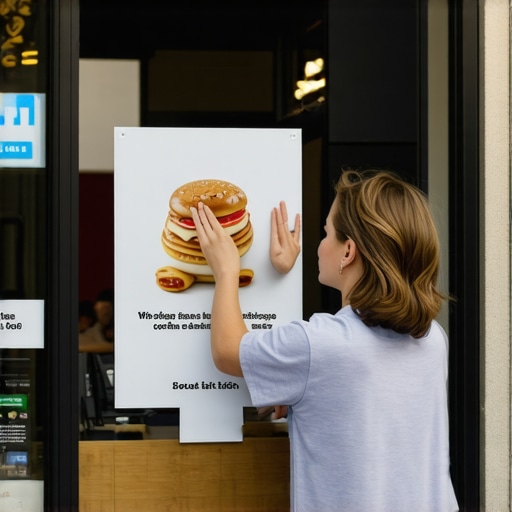
Start by ensuring your storefront displays clear, recent signage that reflects current branding or promotions. I once updated my signage for a seasonal sale, capturing high traffic during that period. This signals Google that your business is active and relevant. For a more comprehensive impact, add geo-specific images showing your shop’s latest signage, which can significantly improve local rankings—see how these visual cues influence Google’s perception (read more here). Don’t forget to choose images with identifiable landmarks or nearby street signs to reinforce location relevance.
Leverage Geo-Tagged Photos Effectively
Uploading high-quality, geo-tagged images of your interior, exterior, and key products plays a major role in local ranking. I learned this by experimenting with photos of my shop’s interior, tagged with precise location data. This helps Google associate your business with the area and increases visibility in local searches. Aim to add images that highlight unique aspects of your store—like special displays or community events—thus encoding additional signals (more info). Make sure each image has descriptive alt text to boost relevance further.
Engage Consistently with Customer Reviews
Actively requesting and responding to reviews maintains your profile’s freshness. I dedicated 10 minutes daily to reply promptly to reviews, which boosted my profile activity heatmap. Google interprets ongoing engagement as a sign of vitality, benefitting your rankings. Encourage satisfied customers to leave detailed reviews, focusing on specific parts of their experience. Authenticity is key—avoid fake reviews, and always respond professionally (learn how to enhance review authenticity). Remember, a lively review section signals to Google that your business is thriving.
Update Business Descriptions with Localized Keywords
Revising your business description to include targeted local keywords can help Google better understand your offerings and location. I revised mine to mention nearby landmarks and community events, which improved search relevance in my area. Be specific; rather than generic terms, include phrases customers are actually searching for. Consistency is vital, so update this info regularly to reflect new services or seasonal changes. Check competitors’ profiles for inspiration and see what keywords they rank for without overstuffing—balance is crucial (case studies show the impact of well-chosen keywords)).
Engage Locally with Posts and Offers
Creating timely posts about local events, promotions, or community involvement signals activity to Google. I once shared a post about supporting a local charity, which not only resonated with the community but also increased my profile’s local relevance. Use offers, updates, or event announcements to keep your profile dynamic and engaging. Regular posts appear fresh, encouraging Google to rank your profile higher for nearby searches (see how posts influence local lead generation). Make it a habit to update this content weekly.
Monitor and Adapt Based on Insights
Finally, always keep an eye on your profile’s performance metrics. Use Google Insights and tools like ZoomGMB’s analysis to identify which updates generate the most engagement or foot traffic. I once noticed that photos of my team received more views, leading me to focus more on employee features. Data-driven tweaks ensure your efforts are effective and aligned with current algorithm preferences (see example of data-backed strategies). Continuously testing and refining your updates will sustain and improve your local ranking over time.
Many local business owners assume that optimizing their Google Business Profile is solely about cranking up reviews or tossing in a few keywords. While these are important, the real nuances lie beneath the surface. A common myth is that consistency alone guarantees higher rankings. In truth, Google prioritizes relevance and engagement signals that are often overlooked, such as how active your profile truly is in the moment. Simply updating your hours or photos once a month won’t cut it anymore — real-time signals like recent storefront signage updates or timely responses to reviews can dramatically impact your visibility. Another misconception is that technical tweaks, like schema markup, instantly boost your rank. While schema helps Google understand your business better, it’s not the magic bullet. Without the right Trust, Engagement, and Activity signals, schema alone won’t move the needle. The real mastery is in integrating these sophisticated signals into your local SEO strategy. This involves understanding how Google interprets social proof and customer interactions, which are now more significant than ever. For instance, engaging in active community posts, responding promptly to reviews, and updating storefront images with geo-specific details all contribute to a more dynamic profile that Google favors. Don’t fall into the trap of focusing solely on vanity metrics like total reviews or likes; instead, aim for authentic, actionable signals that Google’s AI algorithms recognize as signs of a thriving, relevant local business. Want to stay ahead? Dive into the advanced tactics like leveraging proximity signals or boosting entity recognition, which are often the real game-changers in 2026. Check out how strategic storefront signage updates, for example, can trigger local ranking boosts, and learn the subtle art of adjusting your profile to fit the latest AI search behaviors (see the latest storefront signals). Remember, the key is in making your profile a reflection of ongoing activity, relevance, and community engagement—beyond just a static listing. Have you ever fallen into this trap? Let me know in the comments.
Maintaining your local SEO success and Google My Business (GMB) rankings is an ongoing process, requiring the right tools and disciplined routines. Over the years, I’ve honed a set of specific equipment and software that not only streamline my workflow but also help me stay ahead of rapidly evolving search algorithms. One essential component I rely on is ZoomGMB’s analysis tools. They provide in-depth insights into local ranking signals, highlighting what is working and what needs adjustment. Regularly reviewing these reports ensures that I can identify shifts early and respond before minor issues become ranking drops. Additionally, I use GeoTag Expert—a powerful app I personally tested—to batch-edit and embed geo-specific data into images efficiently. This attention to visual signals, which recent studies affirm are crucial in 2026, can significantly boost local relevance, especially when combined with strategic storefront updates (see the latest storefront signals here). For ongoing content management, SEMrush Local remains my go-to for keyword tracking and competitor analysis, helping me adapt my description and post strategy over time. Looking ahead, I predict that AI-driven tools like BrightLocal’s AI Assistant will become more integral, offering predictive insights and automated recommendations. To stay competitive, I recommend integrating these software solutions into your routine, ensuring consistent, data-backed updates.
How do I maintain long-term GMB and local SEO success?
Start by establishing a regular schedule for updating storefront signage, continuously adding geo-tagged images, and engaging with customer reviews. Use analysis tools to monitor your profile’s health and adapt your strategy accordingly. Remember, the key is consistency combined with strategic insights. Don’t be afraid to experiment with advanced tactics, such as embedding geo-coordinates into your images or leveraging new visual search signals—these small yet impactful steps can sustain and even accelerate your rankings over time. For example, implementing the latest visual and proximity signals can give you a visibility edge (discover visual signals here). Try setting a weekly review to analyze performance data, and be ready to pivot your tactics based on the insights gained.
Remember, in the fast-changing world of local search, automation and precise data analysis are your best allies. By integrating tools like SEMrush Local or BrightLocal’s AI Assistant, you can keep your efforts focused and effective, ensuring your GMB remains a powerful driver of traffic for years to come. Keep monitoring, adjusting, and staying informed with the latest signals—your future rankings depend on it.
What Few Lessons Could Transform Your GMB Strategy
One of my most surprising insights came when I realized that not all updates carry equal weight. Small tweaks like updating storefront signage or adding geo-tagged images aren’t just cosmetic; they’re signals that Google interprets as active engagement. Recognizing this kept me from wasting effort on vanity metrics and shifted my focus to high-impact, targeted adjustments.
Another lightbulb moment was understanding the power of real-time responsiveness. Responding promptly to reviews and engaging with community posts consistently signals vitality to Google’s algorithms. This lesson reminded me that in local SEO, genuine human interaction often outweighs complex technical hacks.
Lastly, I learned that the path to sustained rankings isn’t paved by static practices. Staying ahead requires continuous testing—leveraging new signals like visual cues or proximity factors—and being adaptable. The landscape evolves rapidly, and those who embrace this dynamic approach tend to dominate rankings over the long term.
Tools and Resources That Made a DifferenceEmbarking on this journey wouldn’t be complete without the right tools. I rely heavily on ZoomGMB’s latest storefront signals to identify what Google currently favors, ensuring my updates align with the evolving algorithm. For analyzing local ranking trends, their case study resources have provided invaluable insights into what strategies actually impact local packs. Additionally, geo-tagging tools have allowed me to embed precise location data into images efficiently, amplifying relevance. Combining these with proximity-focused tactics has consistently driven results and kept my profile competitive.Your Next Step Is the One That Counts
The future of local search is all about active engagement and smart signals that demonstrate relevance and vitality. Whether you’re refining your storefront signage, responding to reviews, or experimenting with visual signals, remember that every small action contributes to your broader visibility. Embracing this proactive mindset can turn your Google Business Profile from a static listing into a lively community hub that Google rewards with higher rankings. Now, armed with deep insights and proven strategies, it’s time to put these into action—don’t wait for the algorithm to change; be the change your local presence needs. What small update are you planning to implement first in your GMB profile? Share below—I’d love to hear your plans to boost local visibility in 2026!