
![4 Review Authenticity Fixes for a 2026 GMB Boost [Data]](https://zoomgmb.com/wp-content/uploads/2026/05/4-Review-Authenticity-Fixes-for-a-2026-GMB-Boost-Data.jpeg)
Imagine waking up to find your Google My Business (GMB) listing almost invisible on local searches. Frustrating, right? I vividly remember those mornings, refreshing endlessly, wondering why my competitors kept outranking me despite putting in so much effort. It felt like I was fighting a losing battle, no matter how many reviews I accumulated or how optimized my profile was. That lightbulb moment hit me hard: maybe, just maybe, not all reviews are created equal, and their authenticity might actually be the secret weapon to boosting rankings in 2026.
The Real Reason Your Reviews Might Be Holding You Back
For ages, local SEO advice emphasized quantity over quality—more reviews, the better. But I learned the hard way that Google’s algorithms have become smarter, valuing review authenticity more than ever. Google’s own research indicates that reviews marked as suspicious or fake can negatively impact local rankings, even if the number of reviews looks good on paper (source: ZoomGMB).
Early in my journey, I made a critical mistake: I thought generating fake positive reviews would vault me ahead of competitors. Wrong. Not only did I risk a penalty, but I also watched my rankings stagnate or even decline. Real-world experience taught me that genuine, well-verified reviews are the true currency of trust and authority in local search, especially in an evolving landscape driven by AI updates in 2026.
So, why does review authenticity matter so much now? Because Google’s algorithms are analyzing signals that go far beyond star ratings—looking at review patterns, reviewer credibility, and user interactions. Understandably, this shift aims to combat spam and deliver better local results to users. If you’re still under the impression that more reviews equal better rankings, it’s time for a reality check. And I’ll show you exactly how to fix this today.
How We Can Fix Review Authenticity and Boost Your Local SEO
In the following sections, I’ll walk you through four practical, proven strategies to ensure your reviews are genuine and impactful. Trust me, these aren’t cheap tricks or shortcuts—they’re sustainable methods backed by recent case studies and Google’s own signals. Ready to see results and escape the review spam trap? Let’s dive right in—and I’ll also share some critical mistakes to avoid along the way.
Is Review Fabrication Still a Viable Strategy for 2026?
I admit, I once believed that orchestrating fake reviews could speed up my rankings. That’s a rookie mistake many make early on, and it’s one I paid dearly for. The truth is, Google’s AI in 2026 is more sophisticated than ever, cracking down on inauthentic signals with impressive accuracy. If you’re doubting whether authentic reviews really make a difference, consider this: Google now heavily weighs the trustworthiness of review sources, making fake reviews a risky, short-sighted approach. Want to learn how to differentiate your review profile and harness genuine feedback? Check out this guide for tested tactics that work.
Leverage Genuine Customer Feedback
Start by systematically collecting authentic reviews. Reach out personally via email or SMS asking satisfied customers to share their experience, emphasizing honesty. Use tools like reputation management platforms to streamline this process, ensuring you capture real feedback that reflects actual service quality.
Implement Review Verification Steps
Before posting, verify each review’s authenticity. Cross-check reviewer profiles for consistency, such as geographic location, activity history, and review patterns. Delete or flag suspicious reviews that seem automated or disconnected from your business authenticity, aligning with Google’s emphasis on credible signals.
Encourage Detailed and Specific Feedback
Guide customers to share specific details about their experience—what they ordered, specific staff members, or unique aspects of your service. Detailed reviews are harder to fabricate and are valued higher by Google’s algorithms, boosting local relevance and trustworthiness.
Respond to Reviews Publicly and Authentically
Engage with every review sincerely, whether positive or negative. A prompt, personalized response not only builds trust with potential customers but also signals active, credible management to Google, which can positively influence your ranking. Avoid generic replies; instead, address specific points raised by the reviewer.
Use Local Signals to Reinforce Authenticity
Augment reviews with geo-tagging photos and videos that showcase your actual location, products, or services. This multimedia content serves as proof of physical presence. Additionally, integrating real-world traffic data into your GMB profile enhances signal strength, helping Google verify your business’s legitimacy and relevance—see this case study.
Maintain Consistent Engagement and Profile Optimization
Keep your GMB profile updated with accurate business hours, services, and contact details. Regularly post updates, offers, and community involvement photos. This consistent activity reinforces the authenticity of your listing, signaling to Google that your business is active and trustworthy—check this article.
 Many SEO professionals believe that optimizing for obvious signals like keywords and reviews is enough to climb the local search ladder. However, this oversimplification overlooks a crucial, often misunderstood aspect: the intricate interplay of local signals that Google uses to determine your actual proximity and relevance. In my experience, one of the biggest myths is that physical proximity alone guarantees top rankings. Yet, recent case studies reveal that sophisticated local signals—like real-world foot traffic and geo-targeted multimedia—can significantly amplify your visibility beyond simple distance metrics. Operating under the misconception that Google’s local algorithm is purely proximity-based leads many to neglect these nuanced signals, resulting in missed opportunities and stagnant rankings. For example, leveraging real-world foot traffic and geo-tagged visual content consistently pushes businesses ahead. Be wary of relying solely on reviews or profile optimization; integrating active engagement and local presence signals is essential. Remember, Google’s AI in 2026 considers not only what you tell it but also what others experience in the real world about your business. This layered approach is what truly moves the needle. To master this, focus on comprehensive local signal strategies that combine online and offline cues, maximizing your chance to dominate your niche. Are you utilizing the full spectrum of local signals? If not, you’re likely leaving traffic on the table. Explore detailed strategies, like in this case study, to stay ahead of the curve. Remember: Google rewards authenticity and active local engagement, not just digital presence. Have you ever fallen into this trap? Let me know in the comments.
How do I maintain long-term local ranking success?
Keeping your local SEO performance steady over time requires more than just initial setup; it demands consistent monitoring, strategic adjustments, and leveraging the right tools. One of my go-to platforms is BrightLocal, which provides detailed insights into your Google My Business metrics, reviews, and local rankings. I personally use it daily to track progress and detect early signs of decline, allowing me to react proactively. Its review monitoring feature, for instance, helps me ensure that all feedback remains authentic and relevant, aligning with recent algorithm updates that favor genuine engagement (source).
Another essential tool is Whitespark’s Local Rank Tracker. I rely on it to monitor my positions across multiple keywords and localities, ensuring my efforts stay aligned with my goals. Its historical data allows me to analyze trends over months, highlighting when a small tweak could push my rankings higher. Regularly scheduling such checks—preferably weekly—prevents surprises and keeps my strategy agile.
For ongoing reputation management, I combine Reputation.com with personalized outreach workflows. This combination helps me nurture authentic reviews and respond promptly to customer feedback, vital tactics given Google’s increasing emphasis on review credibility. As I find, algorithms are now analyzing reviewer profiles and engagement patterns with increasing accuracy, underscoring the importance of genuine customer interactions (see this case study).
Long-term success also involves continual content optimizations—adding geo-specific keywords, fresh photos, and posts—using tools like SEMrush. I consider content updates a way to reinforce relevance and authority, especially as local signals evolve with AI enhancements. The trend in 2026 suggests that blending online signals with offline efforts—like geo-tagged visuals and real-world foot traffic—serves as powerful reinforcement (more here).
Lastly, setting up automated alerts through Google Search Console and social media monitoring tools enables me to catch drops in visibility quickly and respond accordingly. The future of local SEO clearly points toward maintaining an active, authentic presence both online and offline, supported by data-driven tactics. Why not try implementing a weekly review of your local rankings with a tool like Whitespark and see firsthand how consistent oversight keeps your efforts on track? Staying ahead in 2026 means never ignoring the signals that your tactics might need an update.
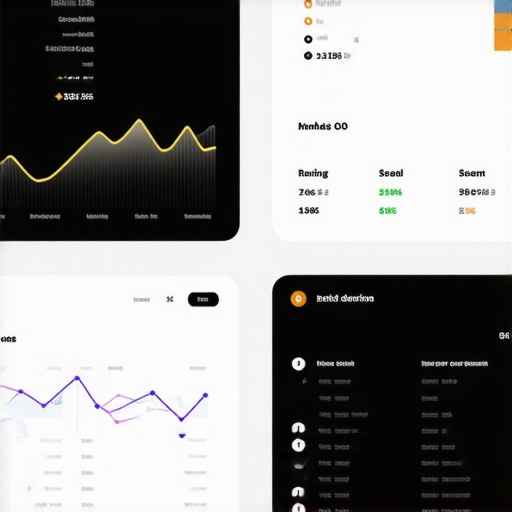
Image depicting a digital dashboard with local SEO metrics, including rankings, reviews, and traffic analytics. A professional uses this data to fine-tune strategies effectively.
When I first started focusing on local SEO, I believed that optimizing reviews and profiles would be enough to climb the rankings. But the real breakthrough came when I realized that behind-the-scenes signals, like geo-tagged visuals and real-world traffic, play a crucial role in Google’s ever-evolving algorithm. Embracing these layered tactics transformed my local visibility and set my business apart from competitors still chasing superficial metrics.
Lessons The Hard Way: The Secrets Not Taught in Manuals
- I learned that fake reviews can backfire spectacularly, leading to penalties and ranking drops. Authenticity isn’t just ethical—it’s essential for 2026.
- The biggest lightbulb moment was understanding that local signals extend beyond online presence. Geographical activity and real-world interactions actually influence search visibility.
- Trying to game the system with shortcuts is a trap. Instead, genuine engagement and strategic local presence create sustainable growth that Google rewards.
- Ignoring the importance of multimedia signals, like geo-tagged photos and videos, means leaving potential ranking power on the table.
- Consistency matters more than ever. Regular updates, reviews, and real-world engagement keep your profile fresh and trustworthy in Google’s eyes.
Tools That Keep My Local SEO on Track
- BrightLocal has become my go-to for tracking rankings and reviews. Its insights help me stay ahead and react swiftly to changes.
- Whitespark’s Local Rank Tracker makes monitoring keyword positions across various locations straightforward, ensuring my efforts remain focused.
- Reputation.com helps me nurture authentic reviews and respond proactively, underpinning my profile’s credibility.
- SEMrush fuels my content strategy with geo-specific keywords and fresh visual content ideas—vital in an AI-driven landscape.
Your Next Move: Embrace Local Signals to Lead
2026 is the year to elevate your local SEO game by integrating both online and offline signals. Geo-tag every visual, encourage honest customer interactions, and stay consistently active. These steps aren’t just about higher rankings—they’re about building genuine trust and authority in your community. Are you leveraging every layer of local signals available to you? If not, you’re potentially missing out on valuable traffic and leads. Dive into the strategies that matter by exploring real-world traffic signals and start making your local presence felt beyond just reviews.
About the Author
Sagor Paul
| Local SEO & GMB Rank Specialist | Google Ads Expert
Sagor Paul is a dedicated Local SEO and Google My Business (GMB) Rank Specialist with a proven track record of helping service-based businesses dominate their local markets. With a deep focus on the zoomgmb.com niche, Sagor specializes in optimizing digital footprints for high-intent industries, including plumbing, cleaning, roofing, painting, and removal services. His technical proficiency extends across the entire Google ecosystem, where he serves as a Google Ads Expert to drive immediate visibility alongside long-term organic growth. Sagor’s approach is rooted in data-driven strategies designed to increase lead generation and call volume. By mastering the nuances of GMB ranking factors and local search algorithms, he ensures that businesses not only appear in search results but also convert browsers into loyal customers. His expertise in managing complex ad campaigns and local listings makes him a vital resource for entrepreneurs looking to scale their operations through targeted digital marketing. Sagor is deeply passionate about empowering business owners with the tools and insights they need to achieve sustainable growth and local market leadership.
LinkedIn Profile