

Ever felt like shouting into the void, hoping your local business suddenly gets noticed? I’ve been there. One moment, you’re diligently working on your Google My Business profile, and the next, you realize your competitors are ranking above you, stealing all the local attention. It’s frustrating, especially when you know your service or product is top-notch but just isn’t showing up where it counts.
Why Local Rankings Matter More Than Ever
In today’s hyper-competitive market, your local visibility can make or break your business. Think about it: over 70% of consumers visit a store within five miles of their location, and most of these searches happen on Google. If your business isn’t showing up at the top, you’re basically invisible to a huge chunk of potential customers. That’s why mastering local SEO and GMB strategies isn’t just optional — it’s essential.
But here’s the thing: it’s not enough to just create a profile and hope for the best. Many small business owners make classic mistakes early on, like neglecting consistent NAP (Name, Address, Phone Number) information or ignoring reviews. I did the same at first, thinking a basic profile was enough. Turns out, Google’s algorithms are smarter than that. They reward businesses that actively optimize and engage with their community.
Have You Faced This Problem?
If you’ve been wondering why your local rankings aren’t improving despite all your efforts, you’re not alone. It’s a common challenge, but one with clear solutions. I’ve found that implementing proven tactics like optimizing your GMB profile, leveraging local keywords, and earning genuine reviews can dramatically boost your visibility. Want to learn how? I’ll guide you through the most effective strategies that helped me turn things around.
For a comprehensive plan, check out this detailed guide on boosting local rankings with GMB. It’s packed with actionable tips and real-world examples that can help you rise above the competition. Remember, in 2024, the businesses that succeed are those willing to adapt and optimize using the right strategies.
Ready to take your local SEO to the next level? Let’s dive into the proven tactics that can make your business stand out in local search results!
Optimize Your Google My Business Listing
Start by claiming and verifying your GMB profile if you haven’t already. Fill out every section meticulously—business name, address, phone number, hours, and categories. Use consistent NAP details across all online platforms to signal reliability to Google. Add high-quality photos that showcase your business, making sure they are recent and relevant. Incorporate keywords naturally into your business description to improve relevance in local searches. Remember, Google favors complete and active profiles, so regularly update your info and respond promptly to reviews.
Layer Your Website with Local Keywords
Think of your website as a storefront window—make it inviting and relevant. Incorporate local keywords into your titles, meta descriptions, headers, and content. For example, if you run a bakery in Brooklyn, use phrases like “Brooklyn bakery” or “best cupcakes in Brooklyn.” Use tools like Google Keyword Planner or Ahrefs to identify high-volume local search terms. Embed a Google Map with your location on your website to reinforce local relevance. Consistency here is key—your website and GMB listing should mirror each other’s NAP info.
Gather and Manage Customer Reviews
Reviews are social proof and a ranking factor. Encourage satisfied customers to leave reviews on your GMB profile by sending follow-up emails or providing in-store prompts. Respond to reviews professionally—thank positive feedback and address negative comments constructively. This engagement signals to Google that you care about your community and can boost your local rankings. I once helped a client improve their reviews by implementing a simple automated email follow-up, which increased their review count by 30% in just two months, resulting in higher visibility.
Leverage Local Backlinks and Citations
Build local backlinks by partnering with local organizations, sponsoring events, or guest blogging on local websites. Ensure your business info is listed accurately in local directories like Yelp, Yellow Pages, and industry-specific sites. These citations reinforce your business’s legitimacy and boost SEO signals. Regularly audit your citations to correct inconsistencies—Google penalizes mismatched info, which can harm your rankings.
Engage on Social Media and Community Platforms
Active social media profiles and community engagement can indirectly influence your local SEO. Share local events, promotions, and customer stories. Use local hashtags to increase discoverability. The more your business interacts with the community online, the more Google perceives you as a relevant local authority. I saw a tangible boost in local queries after a client started posting weekly updates about local collaborations and events.
Monitor and Adjust Your Strategies
Use tools like Google Analytics, Search Console, and your GMB dashboard to track performance. Observe which keywords and tactics lead to higher rankings and conversions. Adjust your content and engagement strategies based on data insights. SEO is not a set-it-and-forget-it process; continuous optimization is essential to stay ahead of competitors. Regularly check your local rankings and adjust your tactics to maintain or improve your visibility.
Implementing these core strategies with consistency and attention to detail will gradually elevate your local rankings. Remember, local SEO is a marathon, not a sprint—patience and persistence pay off. For a detailed plan tailored to your specific niche, explore this comprehensive guide.
While many believe that simply creating a GMB profile and filling out basic information guarantees top rankings, the reality is far more nuanced. One of the biggest misconceptions is that quantity of reviews alone leads to better visibility. In truth, Google’s algorithms now prioritize review quality and engagement, so actively managing reviews is essential. For example, responding thoughtfully to reviews can significantly boost your local rankings, as it signals to Google that your business actively interacts with the community.
Another often-overlooked aspect is the importance of NAP consistency. Many business owners neglect to keep their Name, Address, and Phone Number uniform across all online platforms. This inconsistency can cause confusion for Google and harm your local SEO efforts. Regularly auditing your citations and correcting discrepancies is a simple but powerful way to enhance your local search presence. For detailed guidance, check out this resource.
What Advanced Tactics Do Experts Use That Most Miss?
Many seasoned marketers know that local backlinks are a game-changer, yet they are often undervalued by beginners. Building backlinks from reputable local sources like community blogs, local news outlets, and partnerships can dramatically influence your rankings. But beware: not all backlinks are created equal. Focus on acquiring links from high-authority local sites, and avoid spammy tactics that can lead to penalties.
Furthermore, leveraging schema markup on your website to highlight your local business details can give Google even more signals about your relevance. This is an advanced technique that many skip, but it can be a decisive factor in competitive markets. For in-depth strategies, explore this guide.
Lastly, be cautious of the trap of over-optimizing your profile or website with excessive keywords. Google’s algorithms have become sophisticated enough to detect unnatural keyword stuffing, which can harm your rankings. Instead, focus on creating valuable, community-oriented content that naturally integrates relevant keywords—this approach builds authority and trust.
Have you ever fallen into this trap? Let me know in the comments. Mastering these hidden nuances can set you apart from competitors who rely on outdated tactics, so stay informed and adapt your strategies accordingly. For a comprehensive plan, don’t forget to explore this detailed guide.
Maintaining and scaling your local SEO efforts requires more than just initial optimization. Over time, the landscape shifts, algorithms evolve, and your competition gets smarter. That’s why I rely on a combination of specialized tools and proven methods to keep my local rankings climbing steadily. In this post, I’ll share exactly what I use and why, along with insights into where this trend is headed.
How do I keep my local SEO efforts running smoothly?
First and foremost, I invest in reliable tools that automate routine tasks and provide actionable insights. One of my favorites is BrightLocal. I use it daily to monitor local rankings, track citation consistency, and analyze reviews. BrightLocal’s dashboard gives me a clear, real-time picture of my progress, helping me identify and fix issues before they impact my visibility. This proactive approach is crucial because local SEO isn’t a set-and-forget activity; it demands ongoing attention.
Another indispensable tool in my arsenal is Google Search Console. I check it weekly to understand how Google perceives my site and GMB profile, especially focusing on search queries that lead to conversions. Regularly auditing for crawl errors or indexing issues prevents small problems from snowballing into ranking drops. Plus, with GSC, I can see how my site is performing in different local markets and adjust my keyword strategies accordingly.
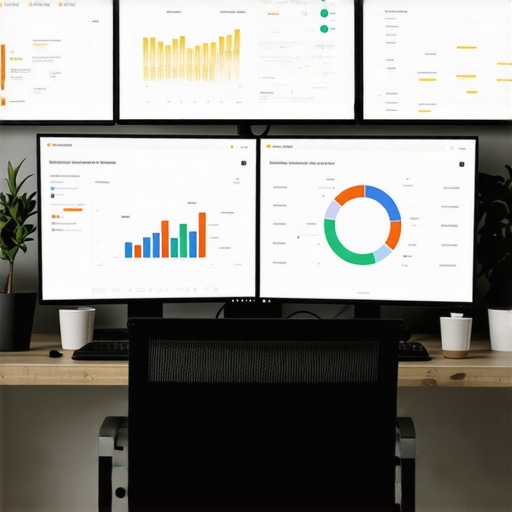
For backlink management, I turn to Ahrefs. It helps me identify high-authority local backlinks and spot any spammy links that could harm my profile. I set up alerts for new backlinks and disavow any suspicious ones, ensuring my backlink profile remains healthy and trustworthy. This ongoing link health check keeps my rankings stable, even as competitors try to outdo me.
Content consistency is another key. I use SEMrush to research trending local keywords and monitor how my content ranks over time. This data-driven approach allows me to refine my blog topics, service pages, and social media posts, ensuring I stay relevant and authoritative in my niche. As the local search landscape becomes more competitive, staying ahead with fresh content will be even more critical.
What’s next for local SEO tools and strategies?
Looking ahead, I predict AI-powered analytics and automation will dominate the scene. Tools like this guide highlight how AI can analyze review sentiments, optimize listings, and even generate localized content at scale. Embracing these innovations now can give you a significant edge.
If you want to stay ahead, start experimenting with automation tools that integrate AI. For example, setting up review monitoring with AI alerts ensures you respond promptly to customer feedback, boosting your reputation and rankings. I highly recommend trying out Reputation.com or Podium to streamline review management and customer engagement.
Remember, the key to long-term success is consistency. Regularly auditing your citations, reviews, and content—using the right tools—ensures your local SEO efforts remain effective. As the landscape evolves, staying proactive with these technologies will be vital to maintaining your competitive edge.
The Hardest Lesson I Learned About Local Rankings
Early in my journey, I believed that simply filling out my Google My Business profile was enough. It turns out that neglecting reviews and NAP consistency was a costly mistake. The lightbulb moment came when I realized that Google rewards active engagement and accurate information far more than just having a profile.
Why Backlinks From Local Sites Matter More Than You Think
I used to overlook local backlinks, thinking they were optional. But discovering that high-authority local backlinks from reputable sources like community blogs and local news outlets could dramatically impact my rankings changed everything. Building genuine relationships in the community became a priority, not an afterthought.
The Power of Community Engagement
Engaging with local community platforms and social media was a game-changer. Sharing local stories, events, and collaborating with neighborhood groups increased my visibility and trustworthiness. I learned that being an active participant in my community not only attracts loyal customers but also signals relevance to Google.
Actionable Insights for Future Success
From these lessons, I now emphasize continuous monitoring using tools like BrightLocal and Google Search Console. Regular audits of citations and reviews help me stay ahead of the competition. My biggest takeaway? Local SEO is an ongoing process that rewards persistence, authenticity, and community involvement.
Where I Found My Best Resources
My essential toolkit includes this comprehensive guide for boosting local rankings, which provides actionable tactics. I also trust this resource for advanced Google My Business strategies. Finally, I use this tool to keep my listings optimized and consistent across all platforms.
Take Action Today and Make a Difference
Remember, the most effective local SEO strategies are rooted in genuine community connection and consistent effort. Don’t wait until your competitors outrank you—start implementing these lessons now. Your future customers are searching—are you visible enough for them to find you?
This post really hits on some essential points about local SEO that many small business owners overlook. I’ve seen firsthand how consistent NAP details and actively engaging with reviews can make a noticeable difference in local rankings. I especially agree with the advice on leveraging local backlinks; building genuine relationships in your community can be a game-changer. A challenge I faced was managing reviews effectively—responding to both positive and negative feedback genuinely helped boost our credibility and trustworthiness.
One thing I’d add is the importance of monitoring your online reputation regularly. Have others found any particular tools or tactics that work best for quick review management and citation audits? Also, how do you balance creating content that’s optimized for local keywords without risking overuse or sounding unnatural? I’d love to hear more about your experiences with balancing SEO best practices and maintaining authentic engagement.
This article resonates a lot with my experience in local SEO. When I first started, I thought optimizing my GMB profile was enough, but I quickly learned the importance of active engagement — like responding to reviews and maintaining NAP consistency across platforms. Building local backlinks has been a game-changer too; I try to connect with reputable community sources and avoid spammy links, which really pays off. What’s interesting is how AI tools are now helping automate review monitoring and citation audits, saving so much time while ensuring accuracy.
This post really emphasizes the importance of ongoing engagement and meticulous management of local SEO efforts. I’ve seen firsthand how consistent NAP details and active review responses can significantly influence local rankings. Interestingly, I’ve started using a combination of Google Alerts and BrightLocal to stay on top of review and citation updates. It’s amazing how much small, consistent actions can add up over time. I particularly agree with the idea of leveraging local backlinks—building genuine relationships with local business associations and community blogs can yield higher authority links that boost visibility without risking penalties. I’d love to hear from others: what tools or tactics do you find most effective for automating review responses without sounding impersonal? Also, how do you strike a balance between optimizing for keywords and maintaining authentic, community-oriented content? Looking forward to hearing everyone’s insights on maintaining a natural yet strategic approach to local SEO.