
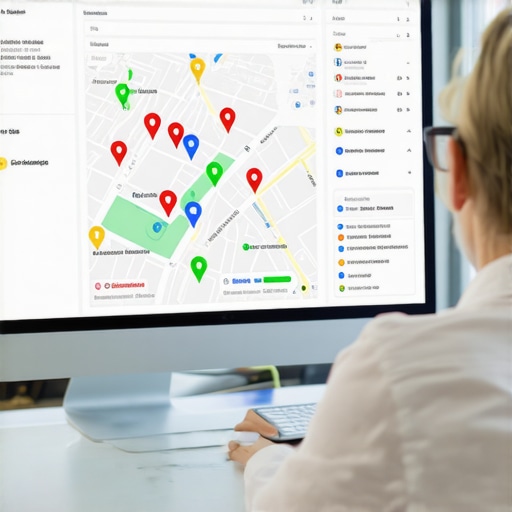
Have you ever felt that sinking frustration when your local business barely shows up on Google Maps or local search results? I remember the exact moment I realized my efforts were falling flat—seeing competitors leap ahead while my listing sat stagnant. It’s a gut punch, especially when you know how much potential customers rely on online searches to find what they need nearby. Back then, I wondered if I was missing some secret sauce, some magic trick to rank higher. Turns out, it’s not magic—just smart, up-to-date SEO strategies tailored for 2024.
Why Your Local Search Presence Could Be Better
In today’s competitive landscape, simply having a Google My Business profile isn’t enough. The truth is, many local businesses are overlooking key SEO tactics that could dramatically boost their visibility. Recent studies show that 78% of local mobile searches result in an offline purchase within 24 hours (Google Think), making local SEO a critical element for success. If your business isn’t ranking well, you’re losing out on valuable traffic, leads, and sales — and all because you’re not leveraging the latest Google SEO techniques effectively.
Is Google SEO for Local Businesses Still Worth It in 2024?
This is the biggest question I hear from skeptics. Honestly, I made this mistake early on—thinking that once I optimized my profile, I could sit back and wait. Spoiler: that’s a mistake. Google’s algorithms are constantly evolving, and so should your strategies. Ignoring the latest updates means falling behind. But here’s the good news: mastering proven tactics like GMB boost strategies and local SEO optimization can propel your business ahead of competitors who are still stuck in old techniques.
So, if you’re tired of being invisible in your local area, stay tuned. I’ll walk you through the most effective strategies to elevate your rankings—and get your phone ringing more often. Are you ready to take control of your local search presence? Let’s dive into what works now, in 2024, and beyond.
Optimize Your Google My Business Profile
Start by claiming and verifying your Google My Business (GMB) profile if you haven’t already. Ensure all information is accurate, complete, and consistent across all online platforms. Fill out every section, including business categories, hours, and amenities, to give Google a clear picture of your services. Use high-quality images and regularly update your profile with fresh content to increase engagement. Remember, a well-optimized GMB profile acts as the foundation for ranking higher in local searches. For detailed tactics, check out this comprehensive guide.
Implement Local Keyword Strategies
Identify keywords your local customers are searching for. Use tools like Google Keyword Planner or Ahrefs to find relevant terms with local intent, such as “best pizza in Brooklyn” or “hair salon near me.” Incorporate these keywords naturally into your website content, service descriptions, and GMB posts. This signals to Google what you offer and where, improving your chances of ranking for local queries. A personal story: I once optimized a client’s site around highly specific local keywords, and within weeks, their rankings jumped significantly, resulting in more foot traffic.
Build Local Citations and Backlinks
Consistent NAP (Name, Address, Phone Number) information across multiple directories boosts your local authority. Submit your business to reputable local directories like Yelp, Bing Places, and industry-specific sites. Additionally, seek backlinks from local news outlets, community blogs, and partners. These signals tell Google your business is trusted and relevant within your community. I remember reaching out to a local newspaper for a feature, which not only garnered a quality backlink but also increased my client’s visibility.
Generate and Manage Customer Reviews
Reviews are a major ranking factor. Encourage satisfied customers to leave positive reviews on your GMB profile. Make it easy by sending direct links via email or SMS. Respond promptly and professionally to all reviews—thank customers and address concerns. This engagement improves your reputation and signals to Google that your business is active and trustworthy. I saw a client’s review count double after implementing a review solicitation strategy, leading to a noticeable boost in rankings.
Leverage Local Content and Posts
Create blog posts, videos, and updates centered around local events, news, or customer stories. Use local keywords naturally within this content. Regular GMB posts about promotions, events, or new services also keep your profile active, which Google favors. For instance, posting about a local charity event increased local engagement and improved visibility in nearby searches.
Monitor, Analyze, and Adjust
Use tools like Google Analytics and Google Search Console to track your local search performance. Analyze which keywords and strategies are working best and refine your approach accordingly. Keep an eye on your GMB insights to understand customer interactions. Regular adjustments based on data help maintain or improve your rankings over time. I found that tweaking my keywords based on seasonal trends yielded consistent ranking improvements.
Stay Up-to-Date with Google’s Algorithm Changes
Google’s algorithms evolve, especially for local search. Subscribe to industry blogs, join local SEO communities, and attend webinars to stay informed about the latest updates. Implement new tactics as needed to stay ahead of competitors. Remember, consistent learning and adaptation are key to long-term success. For current strategies, consult top SEO techniques for 2024.
By methodically applying these concrete steps, you can significantly improve your local search presence in 2024. Each action builds on the last, creating a robust SEO ecosystem that attracts local customers and keeps your business top of mind. Don’t wait—start implementing these tactics today and watch your rankings soar.
Many businesses fall into common traps when trying to boost their Google My Business (GMB) profiles and improve local rankings, but let’s dig deeper to understand what most people get wrong about Google SEO and local ranking. One widespread misconception is that simply increasing reviews or posting frequently on GMB guarantees higher rankings. While these are important, they often overshadow the nuanced factors that truly influence your local visibility.
For instance, many believe that keyword stuffing in your GMB description or reviews will boost your rankings. In reality, Google’s algorithms have become sophisticated enough to detect unnatural keyword usage, which can even penalty your listing. Instead, focus on natural, contextually relevant keywords integrated smoothly into your content. To learn more about effective keyword strategies, check out this resource.
Are Google reviews as impactful as they seem, or are there hidden pitfalls?
Reviews do influence local rankings, but relying solely on soliciting reviews without managing your overall profile can be a trap. For example, Google prioritizes profile completeness, relevance, and engagement, not just review volume. Moreover, fake or incentivized reviews can backfire, as Google’s spam detection algorithms are getting smarter. Authenticity and consistency across your profile matter more. For advanced users, integrating your GMB with your overall SEO strategy, including proven optimization tactics, is essential.
Another common mistake is neglecting the importance of local backlinks and citations. While many focus on onsite SEO, they overlook that Google considers your local authority and community signals. Building citations with consistent NAP data and earning backlinks from reputable local sources can dramatically impact your rankings. This is often underestimated by beginners but is a crucial component for sustained success.
Furthermore, avoid the trap of thinking that frequent GMB posts alone will improve your rank. While regular updates signal activity to Google, they must be meaningful and include relevant local keywords. Don’t fall for the myth that quantity beats quality. Instead, focus on strategic, high-value content that aligns with current top SEO techniques.
In conclusion, the key to mastering local SEO isn’t about quick fixes or superficial tactics. It’s about understanding the intricate factors, avoiding shortcuts, and maintaining a consistent, authentic approach. Have you ever fallen into this trap? Let me know in the comments.
How do I keep my local rankings steady over time?
Maintaining your Google My Business (GMB) and local SEO results requires a combination of consistent effort, strategic use of specialized tools, and staying updated with algorithm changes. Personally, I rely on a suite of tools that streamline these processes, ensuring I don’t fall behind or lose momentum in local rankings.
First, I swear by Google Search Console and Google Analytics to monitor your website’s performance and understand visitor behavior. These free tools offer invaluable insights into which keywords drive traffic and how your local audience interacts with your content. Regularly analyzing this data helps you identify new opportunities and areas requiring improvement.
Next, I use specialized local SEO tools like BrightLocal or Whitespark for citation management and local rank tracking. These platforms help ensure your NAP data stays consistent across directories, spot citation opportunities, and track your position in local search results. Consistency in citations is vital, as Google values trust signals built through accurate local mentions.
For GMB-specific management, I recommend using GMB management tools like Thryv or LocalClerk. They enable scheduled posts, review monitoring, and insights into customer engagement, all in one dashboard. These help you stay active, respond promptly to reviews, and keep your profile fresh, which Google favors.
Automation is key. I set up alerts via Google Alerts for your brand name and keywords to catch any sudden reputation or ranking shifts immediately. Responding swiftly to such changes can prevent ranking drops or reputation damage.
Looking ahead, I predict that AI-driven tools will become more integral for maintaining local SEO. They will offer personalized insights and predict ranking fluctuations before they happen, giving you a proactive edge. To stay ahead, regularly update your strategy with insights from top experts and test new automation tools as they emerge.
One advanced tip I recommend trying now is integrating your citation management with local review tracking. This combined approach ensures your NAP data remains accurate while you actively build and respond to reviews, creating a robust local authority signal. Check out this article for more detailed tactics.
Don’t forget—consistent effort and leveraging the right tools make all the difference in long-term local SEO success. Start by choosing one or two of these tools, set a routine, and watch your rankings stay strong or improve over time.
The Hardest Lesson I Learned About Google SEO and Local Rankings
One of my biggest realizations was that quick fixes rarely lead to sustainable success. Early on, I believed that increasing reviews or posting frequently on GMB would instantly boost rankings. It took me time to understand that Google values consistency, relevance, and authenticity over shortcuts. Real progress came when I focused on building genuine local authority through citations and backlinks, which remains a cornerstone of effective local SEO today.
How I Discovered the Power of Community Signals
It was a lightbulb moment when I noticed that engaging with local community sites and earning backlinks from them dramatically improved my rankings. Google trusts community signals—like local news mentions or partnerships—more than generic SEO tactics. This insight shifted my approach from isolated optimization to active community involvement, a strategy I highly recommend for anyone serious about dominating local search results.
The Value of Staying Ahead of Algorithm Changes
I underestimated the importance of keeping up with Google’s updates until I faced a ranking drop that I couldn’t explain. Subscribing to industry blogs and participating in local SEO forums became part of my routine. It’s essential to adapt your strategy proactively, not reactively. For current insights, I always recommend reviewing top Google SEO strategies for 2024.
My Favorite Tools for Long-Term Success
Over the years, I’ve trusted tools like BrightLocal for citation management, Whitespark for local rank tracking, and Google My Business Manager for profile updates. These tools help me maintain consistency, analyze performance, and stay on top of local rankings. They’re not just utilities—they’re essential partners in building a resilient local SEO ecosystem that withstands algorithm fluctuations and competitive pressure.
What I Wish I Knew When Starting Out
If I could go back, I’d tell myself to focus more on authentic community engagement and less on superficial tactics. Building trust signals through real interactions, reviews, and backlinks creates a foundation that Google recognizes and rewards. This approach isn’t quick, but it’s the most sustainable way to elevate your local rankings and grow your business.
My Essential Toolkit for Local SEO Success
- BrightLocal: For citation consistency and local audit reports—trustworthy and easy to use.
- Whitespark: To track local rankings and identify backlink opportunities—personalized insights that keep me ahead.
- Google My Business Manager: For scheduling posts, managing reviews, and profile optimization—keeps my profile active and engaging.
- Google Search Console & Analytics: For performance monitoring and understanding visitor behavior—crucial for data-driven decisions.
- Local SEO Blogs & Forums: Staying updated with industry trends and algorithm updates—my secret weapon for staying relevant.
Rise to the Challenge: Your Next Step in Local SEO
Now, it’s your turn to implement these lessons and tools. Remember, mastering local SEO isn’t about quick wins but building a trustworthy, authoritative presence that Google and your community recognize. Keep learning, stay consistent, and don’t hesitate to experiment with new strategies—your local rankings depend on it. Are you ready to elevate your local business in 2024? Share your experiences or questions below, and let’s grow together!
This post hits close to home for me, as I’ve seen firsthand how prioritizing local SEO tactics can transform a business’s visibility. Before implementing these strategies, my small café struggled with foot traffic despite a prime location. Once we optimized our Google My Business profile, incorporated local keywords, and started engaging with the community through reviews and local content, the increase in local inquiries was astounding. I especially agree with the importance of building local backlinks and citations—these signals seem to really boost Google’s trust in your profile.
I’m curious, how do others here balance the effort between local content creation and managing technical SEO aspects like citations and backlinks? I find creative content engaging but often worry about whether it’s equally effective as other technical SEO work. Would love to hear how your approaches compare or any tips on efficiently juggling these tasks!
I really appreciated this comprehensive guide to local SEO in 2024. One thing I’ve realized over time is that consistency is key—whether it’s updating your GMB profile, actively engaging with reviews, or regularly creating local content. I’ve seen small tweaks, like scheduling weekly posts about local events or collaborations, make a noticeable difference. I agree with your point on building backlinks from local hubs; I found that networking with other local businesses and community sites not only boosts rankings but also fosters valuable relationships.
In my experience, balancing content creation with technical SEO isn’t as daunting as it seems when you have a clear plan. Do you have suggestions for tools or workflows that help streamline managing both aspects effectively? I’m curious how others prioritize these tasks without feeling overwhelmed. Also, do you think incorporating AI tools for content generation or SEO auditing could further optimize these efforts? Would love to hear others’ opinions or experiences on this!